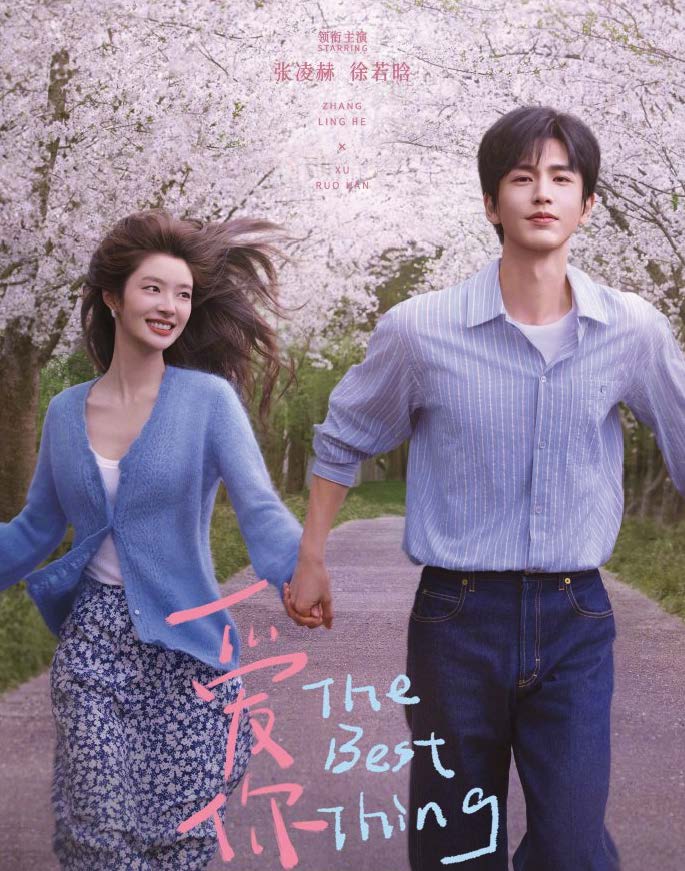
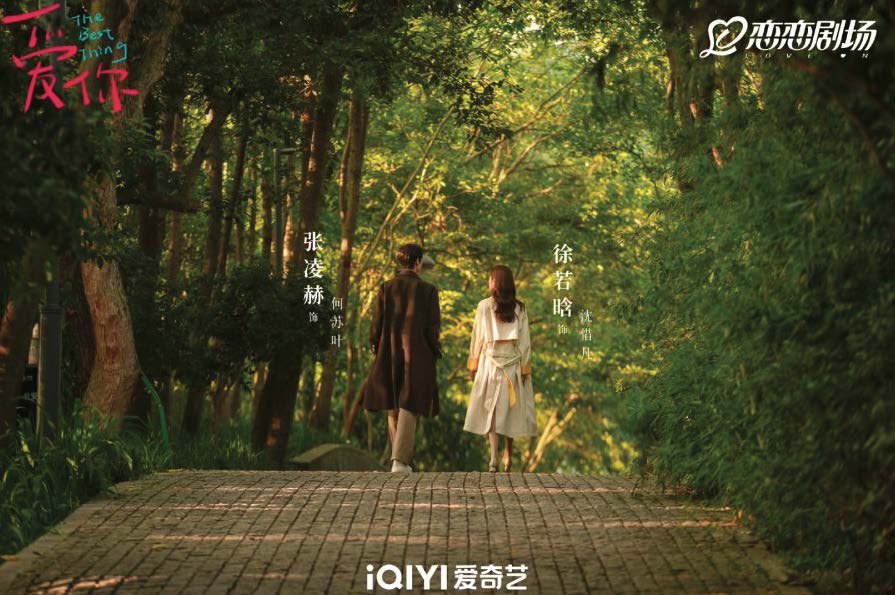
A healing drama about the romance between Shen Xi Fan (Xu Ruohan), a hotel manager battling insomnia, and He Su Ye (Zhang Linghe), a gentle traditional Chinese medicine doctor. Starting off in a doctor-patient relationship, they slowly get to know each other privately, sparking a mature slow-burn love story. Their interactions feel natural and authentic without exaggerated conflicts and their quiet yet intense chemistry shines through.
A slow paced (sometimes a little too slow), heartwarming romcom that also visually projects warmth and comfort with its greenbathing moments and soft lighting. The drama’s focus on traditional Chinese medicine adds an interesting cultural layer and is woven neatly into the storytelling.
It’s a calming, wholesome watch. Just what you need after a stressful day.
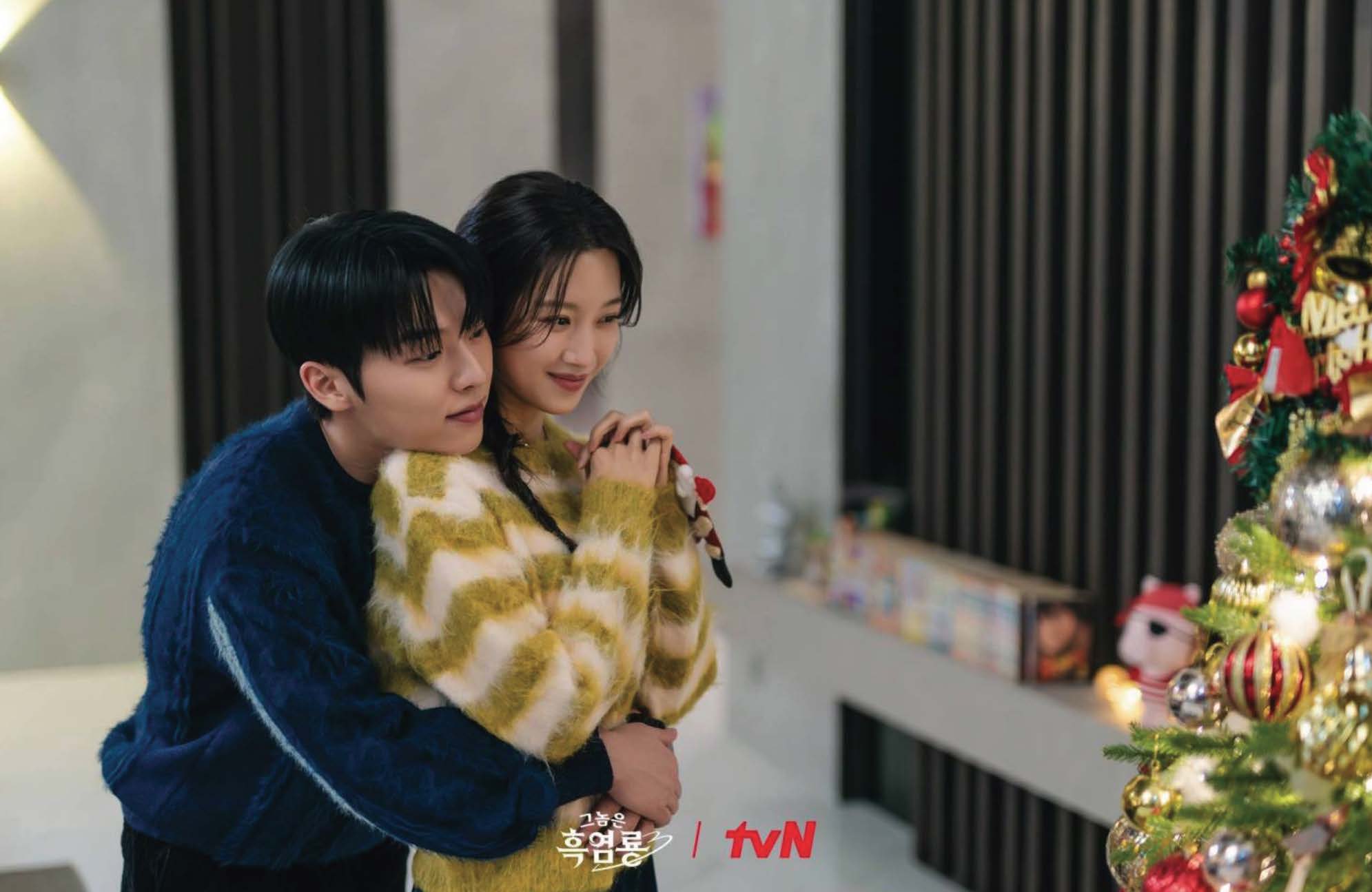
A mix of workplace drama, second-chance romance, and personal growth story: Moon Ga-young plays Baek Su-jeong, a high school senior who forms a connection with an online gamer, only to face shock and betrayal when they meet in person. Years later, she meets Ban Ju-yeon (Choi Hyun-wook), her new boss at Yongseong Department Store, who turns out to be her past gaming partner.
It’s a classic enemies-to-lovers romcom with the familiar tropes we like but without the long angsty part (it’s only 12 episodes short). There’s only one villain (the ML’s grandmother) and as usual in K-dramas, she gets off lightly in the end.
Charming and delightful, it hops along nicely and the leads as well as the second leads are fun to watch — and so we sail thoroughly entertained into the happy ending.
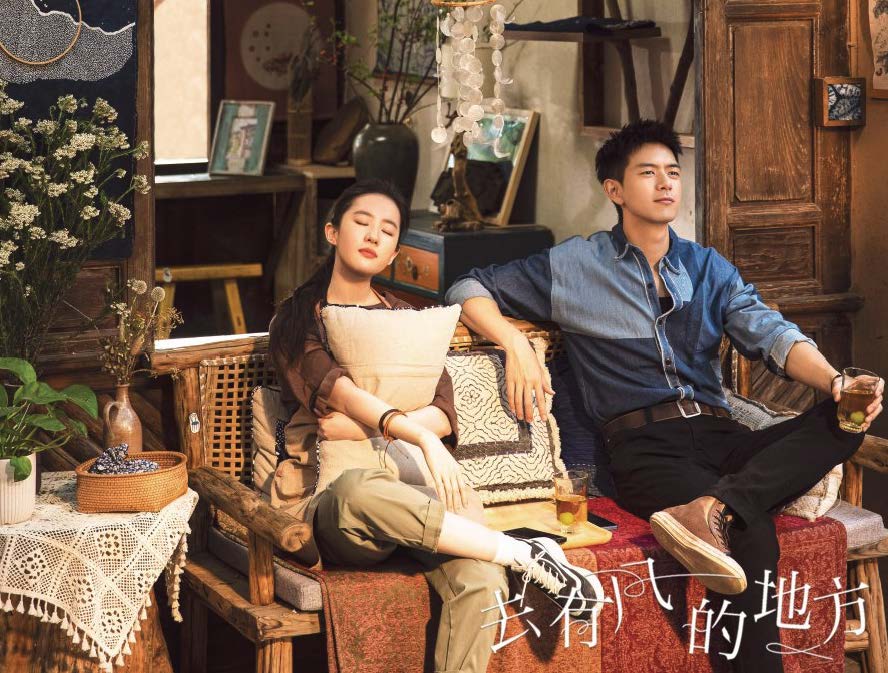
A slice of life drama with comforting vibes. It centers around a manager at a five-star hotel (Liu Yifei) who quits her job and takes time out in the countryside to reassess her life after her best friend dies unexpectedly. The young woman ends up sharing a homestay with a group of former city dwellers who try to escape the rat race and gets entangled with the local village beau (Li Xian). Their slow burn romance plays a minor part for the lion’s share of the show before it gets center-staged in the last few episodes.
Most of the drama takes place in a beautiful old village in Yunnan Province, set in a gorgeous landscape — just watching the scenery is already relaxing and feels like virtual green bathing. Village life is presented as rustic, authentic and slow — and so for our friends at the homestay there is always time for a chat or a walk, an opportunity to daydream or meditate. Just watching them, we slow down ourselves and happily spend time with these well-developed characters, listening to their often thought-provoking conversations and watching their relationships form. Lucky for us, acting and writing are top-notch so it never gets boring during the 40 episodes.
The misery of employees in big corporations is often shown in dramas but only rarely are solutions offered. This drama, however, gives us several role models who demonstrate how to get out of these situations. This is not done in a hitting-you-over-the head kind of way, which would compromise the multidimensional aspects of the characters. This show is too well written for that. Still, there’s clearly an underlying message for people considering leaving the big city behind.
For the characters who follow an artistic pursuit as a writer or musician, the village can be seen as a temporary escape from the expensive city. For musicians, however, the lack of audience and colleagues can turn life in a village into a dead-end unless they are willing to use their abilities to integrate into the community — as music teachers, for example.
Clearly the possibility favored in the drama to provide a realistic way out of the career rat race and switch to a quiet life in this gorgeous village is to become an entrepreneur — thereby not only finding a fulfilling and self-determined life yourself but at the same time improving the lives and prosperity of the village people.
While lifestyles with artistic pursuits, e.g. as a writer or a musician, are viewed non-judgmentally, one way of life pushes individualism too far and is criticized as foolish and egotistical: the pursuit of spiritual enlightenment. It is symbolized here by former CEO Ma Qiu Shan, who is portrayed as a ridiculous character who spouts existential platitudes. He finds the right way again (and hopefully we do too if we ever had such leanings) partly through his conversations with an uneducated working-class woman who is apparently grounded in the realities of life.
Technically, the writers are employing here a set piece of classic communist thinking: Religion is nothing but opium for the masses, workers are superior in their understanding of life compared to the educated class. However, quite different from its original intention, this argument is not used to restrain individualism in favor of a social class but in favor of a different social group, the family unit. And, in an ironic twist, this Marxist line of reasoning is employed in these scenes to encourage Ma Qiu Shan to found a new company — and thereby become a member of the capitalist class again.
Hunan TV, Mango TV. China. Written by Shui Qian Mo and Wang Xiong Cheng.
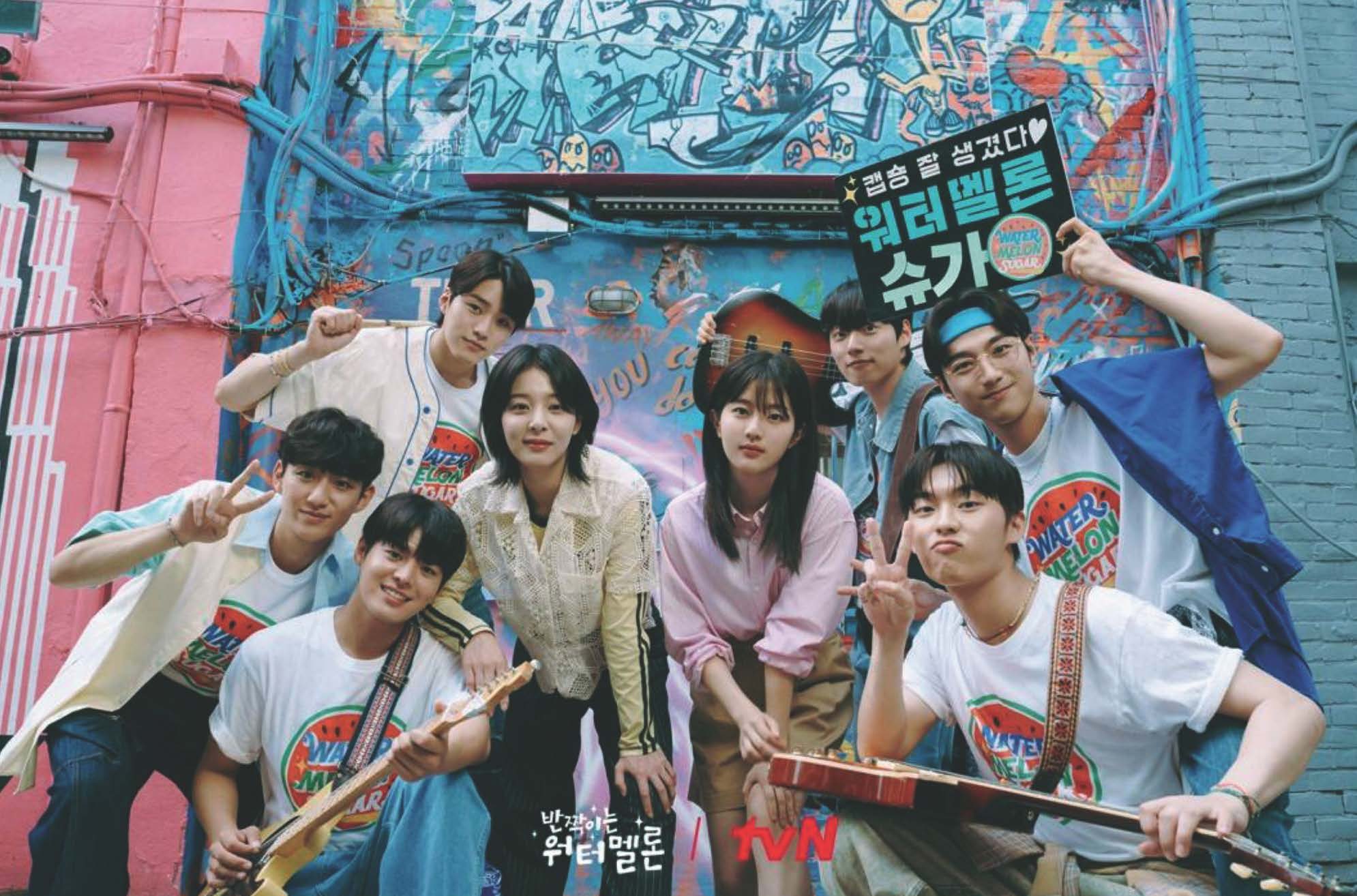
Youth drama meets time-travel fantasy. A smart high school student who wants to become a musician clashes with his father who has a more conventional career for him in mind. This classic youth dilemma — to either follow your dreams or fulfill your parents’ expectations — has an added poignancy to it as both parents are deaf, which makes it hard for them to understand their son’s passion for music. Will a trip back in time help resolve the conflict?
An inspiring and moving coming-of-age drama depicting the exuberance of youth while also raising awareness about the lives of deaf people. With fresh actors and a suspenseful plot, the show covers a broad emotional range from joyful moments to tragic circumstances with a lot of heart. A comforting watch and a celebration of the magic of life — viva la vida!
Time-travel fantasy with murder subplot. A fangirl travels back in time trying to save the life of her favorite idol. But manipulating the past always comes with unintended consequences and so plans keep going awry, especially when there is a murderous villain involved.
Usually I stay away from dramas with thriller aspects. In this case, though, the villain is not a randomly added device but is central to drive the plot forward. So I’m willing to tolerate it as the drama delivers in most other regards: a suspenseful plot with unexpected twists, emotional high stakes and cute leads (Byeon Woo Seok, Kim Hye Yoon) with chemistry. Sure, the drama isn’t perfect: Too much time is spent on the thriller aspect in the second part of the drama and side characters are a mixed bag (e.g., FL’s brother was annoying without adding anything). However, in the end it is the compelling romance that matters. So it’s not surprising that it is one of the most popular romantic dramas of the year. A well-deserved success.
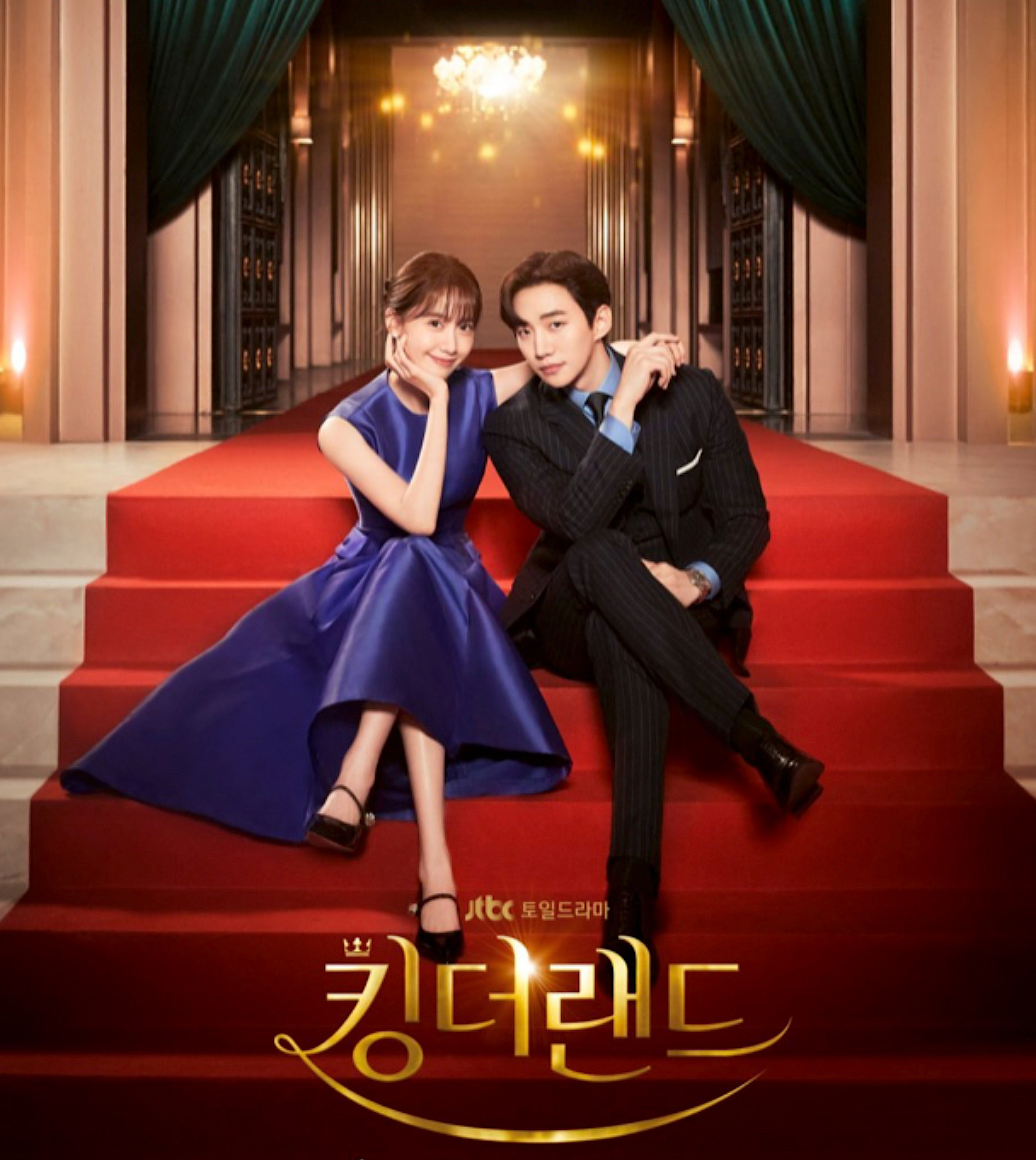
This drama falls in the much-loved chaebol subgenre of Korean romcoms — here it’s about a chaebol’s son (Junho) and a spunky employee (YoonA) working together at a luxury hotel.
Don’t be discouraged by the first bumbling episodes. It’s the script’s fault. Well-intentioned and in line with romcom tradition, the writer aims to portray the male lead’s character development – in this case starting from a traumatized, arrogant spoiled manchild who is transformed by the power of love and later becomes the ideal boyfriend. But the manchild version of the ML often acts so dumb (see e.g., the episode about the rescue mission) that the character comes across as inconsistent and completely “unrealistic,” even in context of the fictional realms of the dramaworld. Luckily, after falling in love the ML’s personality changes, the stupid features fall away and he makes a lot more sense.
Instead of offering its own original artistic vision to the audience, the drama feels like a response to a survey of romcom fans about what they would like to see. And this time, unlike a lot of older romcoms, the creative team indulges us and delivers what we want. Some of us want fluff, and fluff is what the show gives us.
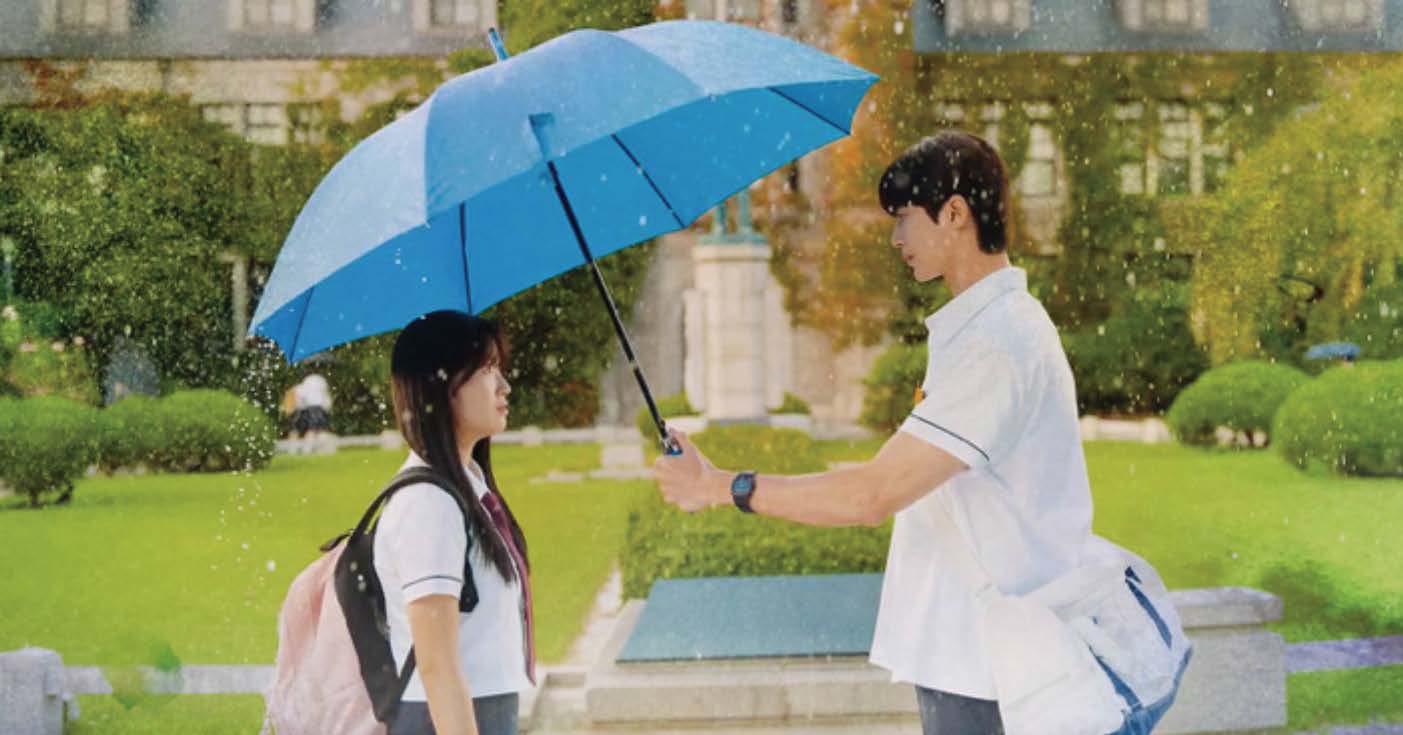
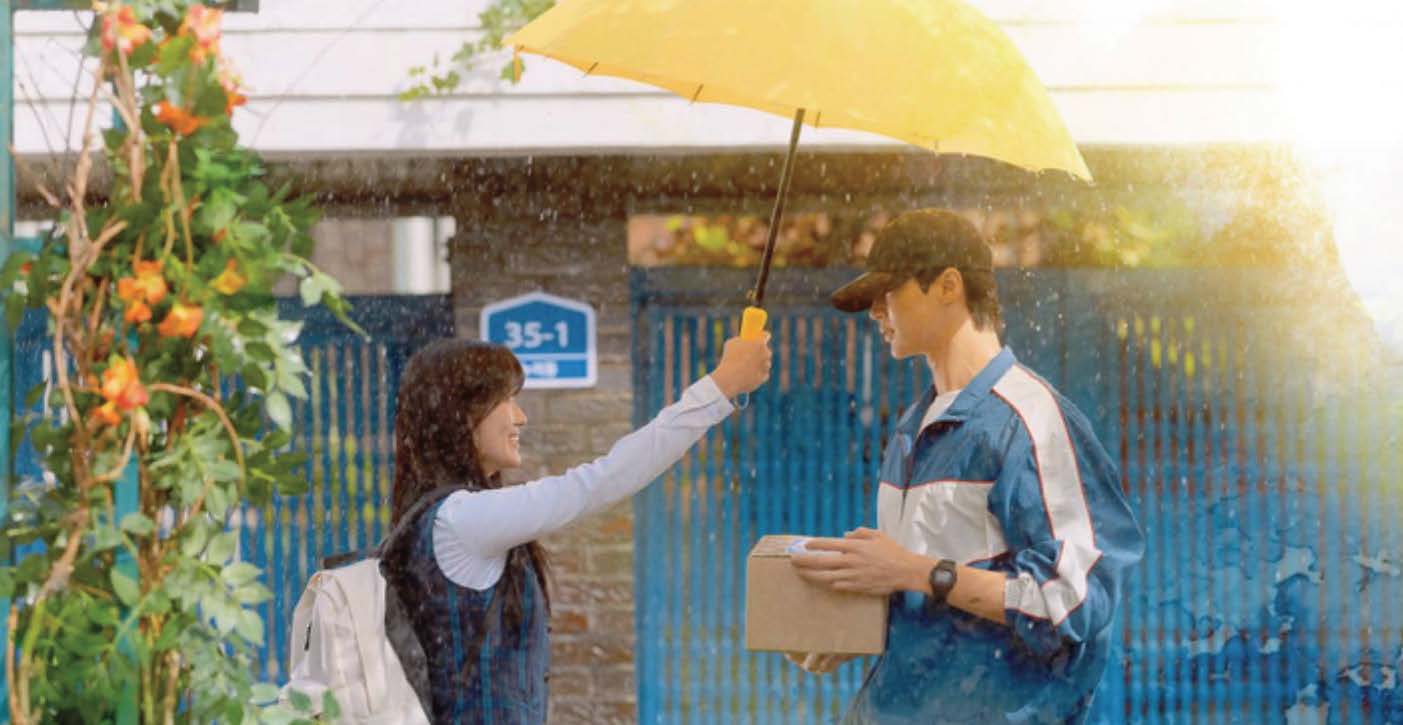
King The Land is a true comfort show, the characters and the tropes are as familiar as old friends we missed seeing for a long time. Look, here’s the goofy assistant and the grumpy grandma, here is the umbrella-in-the-rain scene and, oh yes, here are the close-ups of the gorgeous leads. But we also have improvements over the tradition: more mature conversations, misunderstandings that get fixed in a jiffy instead of lingering for no good reason, and none of the overused tropes of love triangles, breakups, and childhood connections. And we get real hugs (no arms awkwardly dangling) and we get kisses – I mean real kisses, not the weird pecks of old.
So it’s all good? Mmh, not quite. What’s missing is a unique setup that gets things rolling like in Business Proposal with the mistaken identity of the female lead as the blind date or in Lie to Me with its secret marriage pretense. Without that bit of suspense, the show sometimes becomes a bit boring.
Aside from the small fumbles in the first episodes, the lack of a gripping story and PPP (plentiful product placements), the drama is fun and it’s pretty. And the leads have great chemistry. If you like stress-free, supersweet romcoms, check it out.
A feel-good Chinese romcom about a female doctor from a poor background who is forced to become the hospital director’s assistant.
This is not another one of your usual medical dramas – in fact, doctoring plays only a small role, as the focus is on the administrative aspect of health care. Not only are we spared medical case after medical case (can you tell I’m not a fan of most medical shows?) but this romcom also involves no major love triangles, no jerky boss, no evil parents, no childhood connection between our leads, and shockingly enough for K-drama fans … no serial killer! And still, I couldn’t wait to watch the next episode of this drama about two adults who kept bickering and verbally sparring while slowly becoming more and more emotionally attached.
After a bit of stumbling in the beginning, this series does everything right — plot-wise (no boring episodes) and character-wise (except dressing the FL in horrible frumpy clothes for most of the show). One other imperfection is the incredibly stupid plot twist in episode 22 and the FL’s nonsensical response. Despite this unnecessary annoyance, it’s great fun to spend time with our leads all the way to the perfect happy end. Light-hearted, humorous, blessedly stress-free.
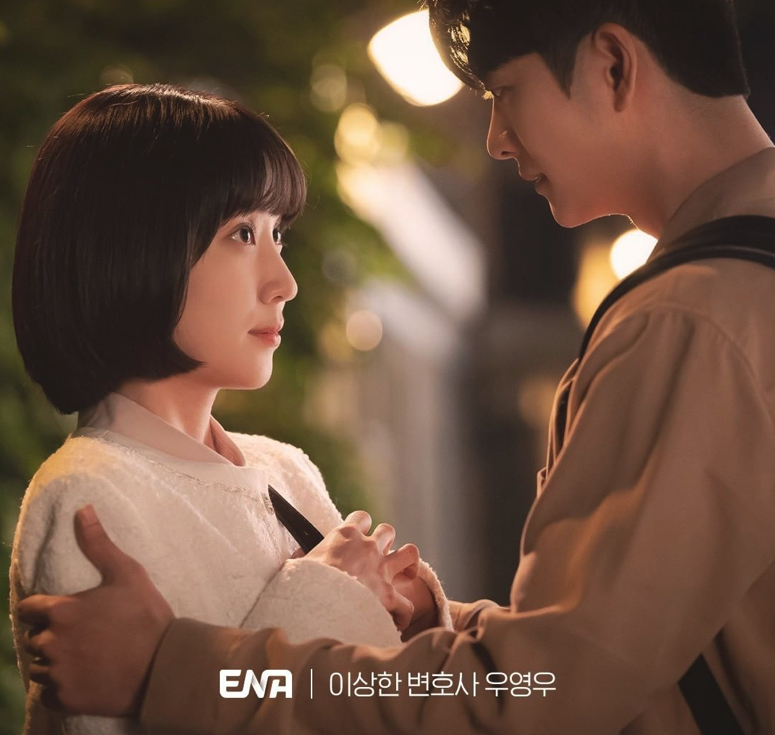
This popular legal drama is owned by actress Park Eun Bin who plays talented Attorney Woo, a rookie lawyer on the autism spectrum working at a top law firm. It is an amazing, touching performance, based on a superbly written character. We witness her inner struggles about work, friends and family (and, later on, romance) and see the often socially awkward interactions from her perspective.
With a sweet love interest, a wide variety of colleagues, and hilarious friends, the show offers some of the most finely drawn characters in the dramaworld — plus a simply delightful romance. However, almost every episode deals with another new case and has an extended court room scene with Attorney Woo saving the day. If, like me, you find this type of repetitive plot structure tiresome, the drama’s unique charm just might win you over despite this issue.
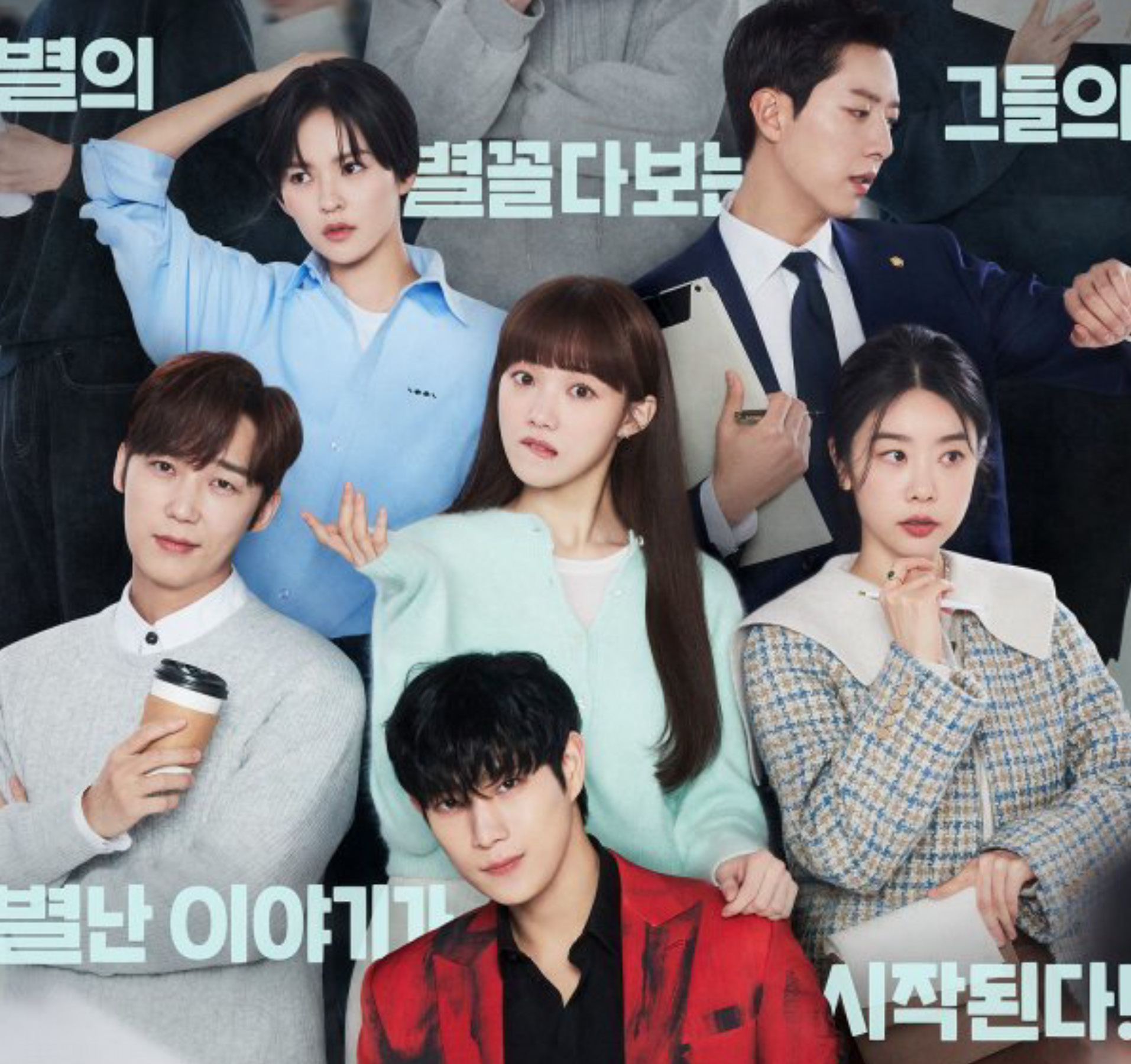
Focusing on events taking place at an artist management agency, this is probably the best behind-the-scenes show about the Korean dramaworld – well, certainly one of the funniest. This is mostly due to the many finely drawn supporting characters (from clueless interns to bizarrely behaving actors) that you can’t help but wonder if they are inspired by real-life models. Numerous cameos from real K-drama stars and the screwball romance of the head of the PR department (the amazing Lee Sung Kyung, Weightlifting Fairy Kim Bok Joo) with the company’s biggest star (Kim Young Dae) are other highlights of the show.
This well-written mix of workplace comedy and rom-com is somewhat bogged down in the last third by some “more serious” plot developments, but in the last couple of episodes we’re back in comedy mode. Entertaining, amusing and simply just a lot of fun to watch. Don’t miss it. Excellent minus.
A wild genre mix with an exceptional cast. It has all the stuff I usually don’t like in dramas, like ghosts, evil spirits, and serial killers, but to my surprise they are packaged in such a funny and charming show that they lose much of their scariness – and you can always skip a scene or two if they get to you.
Park Hae Jin (Far Away Love, My Love from the Star) plays a famous magician who is able to pull off the most amazing tricks – simply because he has three invisible ghosts working for him. Most of the plot deals with him partnering up with a female police officer (Jin Ki Joo) with whom he shares a complex past and a romantic present.
The banter between the magician, his house spirit and the ghostly crew is hilarious; the leads are gorgeous; and the touch of noble idiocy can easily be overlooked in a very satisfying ending. Excellent minus.
MBC/Viu. Written by Ha Yoon Ah.
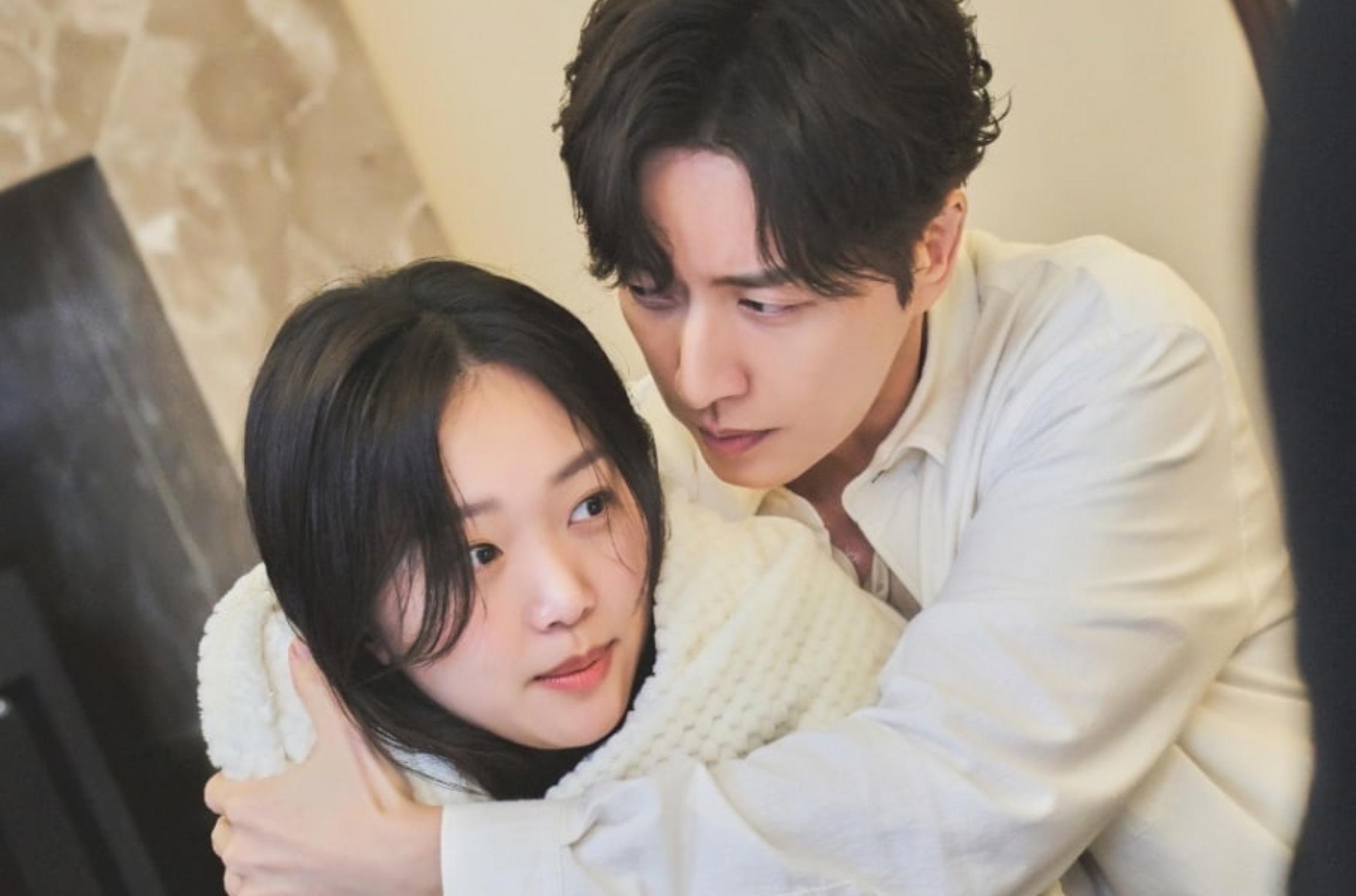
Jin Ki Joo (left) with Park Hae Jin, starring in From Now On, Showtime.




 dramaroma